Walk into a room lit by a single cool-white bulb and you may feel like you have stepped into a surgery prep area. Swap that bulb for a warm one and the same sofa, the same walls, the same evening can feel softer and more inviting. The difference is not brightness. It is color temperature, and it is one of the simplest lighting choices to get right once you know what the numbers on the box mean.
Most people buy bulbs by wattage and shape, then wonder why a new lamp feels harsh or why the kitchen never looks quite right. A little attention to Kelvin, lumens, and the job each room needs to do will save you from a drawer full of nearly-right bulbs.
What Color Temperature Actually Means
Color temperature is measured in Kelvin, usually written as K. Counterintuitively, lower numbers are warmer and higher numbers are cooler. A 2700K bulb glows with a yellowish, familiar warmth. A 3000K bulb is a soft white, slightly cleaner but still comfortable. Around 4000K you get a neutral-to-cool white that feels crisp. Above 5000K, light takes on a blue-white daylight quality.
Kelvin describes the color of the light, not how bright it is. Brightness is measured in lumens. This is why a 4000K bulb and a 2700K bulb can both be rated at 800 lumens and yet completely change the mood of a room. The other number worth noticing is CRI, or color rendering index. A bulb with a CRI in the high 80s or above will make wood, fabric, food, and skin tones look more natural. Two bulbs at the same Kelvin can still look different if one has poor color rendering or if one sits behind a warm fabric shade and the other behind clear glass.
Warm Light: The Case for 2700K to 3000K
Warm light is the default for rooms where you relax. It flatters wood furniture, makes skin tones look healthy, and pairs well with lampshades, candlelight, and evening conversation. In a living room, 2700K table lamps create pools of light that feel intimate. A 3000K ceiling fixture can handle the general illumination without turning the room yellow.
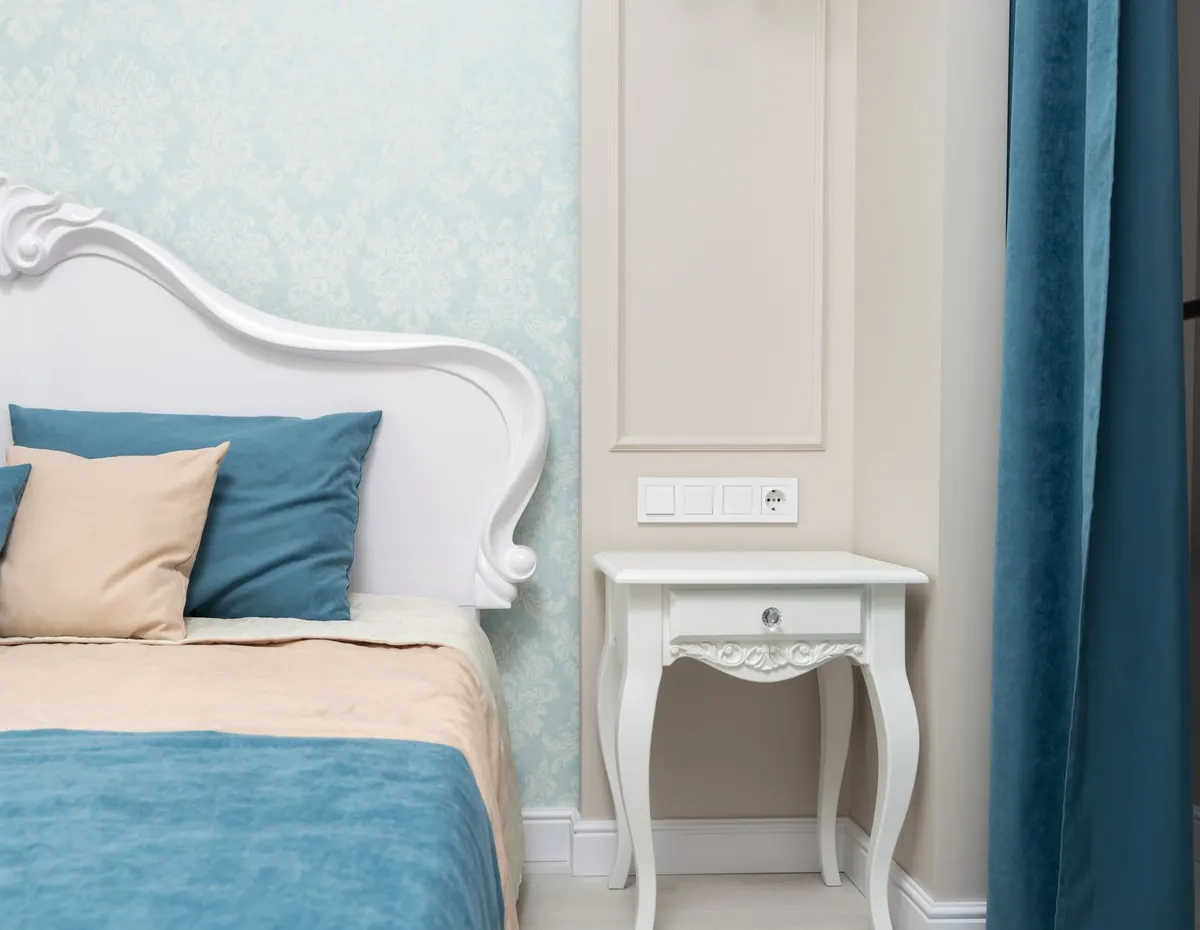
Bedrooms usually benefit from the warmer end of the scale. Bedside lamps at 2700K, ideally on a dimmer, let you read for a while and then lower the light without switching to a harsh overhead. Dining rooms also suit 2700K to 3000K, especially when the pendant hangs low over the table and the bulb is dimmable. Very warm decorative bulbs around 2200K can look beautiful in a lantern or a exposed-bulb fixture, but they are not the best choice for a desk or a kitchen counter where you need to see detail.
Cool Light: When 4000K and Up Makes Sense
Cooler light gets a bad reputation because it is often installed badly: a single 5000K bulb in a cozy bedroom, or a garage-rated fixture chosen for a hall. Used with purpose, though, neutral and cool whites are useful. Around 4000K, light feels clean and alert, which suits kitchens, bathrooms, utility rooms, and home offices. It helps you see the edge of a chopping board, the grain of a countertop, and the details of a task without the yellow cast of a warm bulb.
Daylight bulbs at 5000K and above are best kept for garages, workshops, basements, and detailed hobby areas. In living spaces, very cool light can make wood look gray and faces look tired. It also tends to feel less relaxing in the evening. If you want a cool bulb for a task area, keep it focused: an under-cabinet strip, a desk lamp, or a mirror light rather than the main light for the whole room.
Room-by-Room: A Practical Guide
Think in layers rather than one bulb per room. A ceiling light, a floor lamp, a table lamp, and a task light can each have a slightly different job. These starting points work well in most homes:
- Living room: 2700K to 3000K for lamps and ceiling fixtures. Use 2700K in table and floor lamps, and 3000K overhead if the room needs more general light. Put everything on dimmers if you can.
- Dining room: 2700K to 3000K, dimmable, with the pendant centered over the table. Avoid a cool bulb directly above the plates; it makes food look less appetizing.
- Kitchen: 3000K for general ceiling light, 4000K for under-cabinet task lighting. If the kitchen opens onto a living area, keep the visible fixtures in the same warm range so the spaces do not fight each other.
- Bedroom: 2700K for bedside and ceiling light, or 2200K for decorative lamps. Keep the overhead light on a dimmer and avoid cool white in fixtures you use before sleep.
- Bathroom: 3000K to 4000K around the mirror, with light on both sides of the face rather than only above it. A 4000K bulb can feel fresh and clean, but 3000K is gentler if the bathroom is also used for long baths.
- Home office: 4000K for the desk lamp, 3000K for ambient light. Cool task light helps with focus; warm background light keeps the room from feeling clinical.
- Hallway and stairs: 3000K is a safe middle ground. Use enough fixtures or a motion sensor so the light comes on before you are halfway up the stairs.
- Garage, utility room, and basement: 4000K to 5000K. These are work areas, not lounges, and cool light helps you see tools, labels, and storage boxes.
Matching Bulbs, Dimmers, and Fixtures
In an open-plan space, consistency matters more than any single bulb. If the kitchen, dining area, and living room are all visible from one spot, keep the main fixtures within one Kelvin step of each other. A 2700K lamp beside a 5000K ceiling light creates a visible clash, even if both bulbs are technically “white.”
Check three things before you buy a replacement bulb. First, the lumens: an old 60-watt incandescent was roughly 800 lumens, while a 100-watt bulb was closer to 1600. Second, the dimmer compatibility: not every LED dims smoothly, and some buzz or flicker on an older dimmer. Third, the fixture itself. A warm bulb behind a dark shade may look too dim, while a cool bulb behind a white linen shade can glare. For wood, fabric, and food, look for a CRI of 90 or higher where you can find it.
Three Mistakes That Make Rooms Feel Off
The most common mistake is buying by wattage alone. Wattage tells you energy use, not the amount or color of light. The second is mixing temperatures in one sightline: a cool bulb in the hallway ceiling and a warm bulb in the adjacent living room will make both rooms look slightly wrong. The third is ignoring the shade. A clear glass fixture shows the bulb directly, so the Kelvin rating is exactly what you see. A fabric or opal shade softens and warms the output, which is why the same bulb can feel cozy in a lamp and sharp in a bare ceiling socket.
A Simple Way to Test Before You Commit
Buy one bulb first. Put it in the fixture you actually use at night, not in the middle of the afternoon when daylight is doing most of the work. Sit in the room, look at the walls, the furniture, and your own hands. If the light feels too yellow, move up one step, from 2700K to 3000K. If it feels cold or gray, move down. Keep the packaging and the receipt until you are sure, and note the Kelvin, lumens, and CRI of the bulb that works. That note is more useful than any label on a shelf when you need to buy the next one.
Lighting is one of the few home decisions you can test for the price of a single bulb. Start with the room where you spend the most time in the evening, get that one right, and let the rest of the house follow the same logic.
Photo: Tim Gouw / Pexels