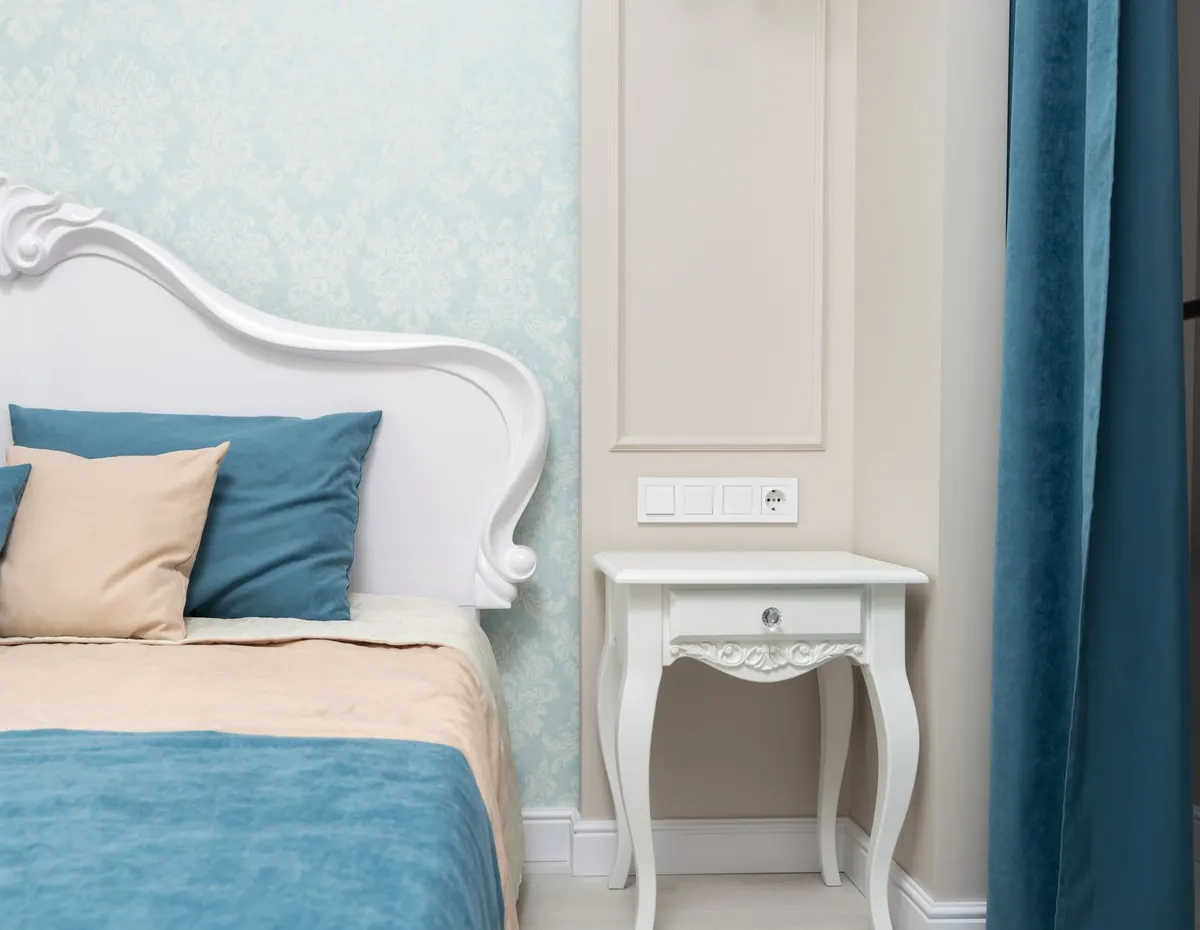
Curtains do quiet work. They filter the light you wake up to, soften the sound of the street, and stand between you and the coldest square metre in most rooms: the window. Yet most of us hang one set and leave it there for years. A seasonal swap — light sheers for the warm months, insulated panels for the cold ones — is one of the cheapest changes you can make to how a home feels, and it takes an afternoon rather than a renovation.
What a Seasonal Swap Actually Does
In summer the problem is usually too much light and too little air. A heavy lined curtain keeps a room dim, holds warmth against the glass, and makes a small bedroom feel closed in by mid-July. A sheer panel does the opposite: it scatters hard afternoon sun into a soft, even glow, lets you keep the window open behind it, and gives you privacy without shutting out the day.
In winter the balance flips. Glass is the weakest point in the room's envelope, and a thermal panel slows the movement of heat towards it. It also stops the cold draught that curls around the edges of a poorly fitted curtain and lands on the back of your neck. Be realistic about the effect: curtains are a buffer, not insulation. They work best alongside decent glazing and draught-proofing, and they only earn their keep when they cover the window fully and close properly.
When to Make the Change
Forget the calendar and watch the house. The signal for summer sheers is the week you stop reaching for the heating in the evening and start opening windows in the morning; in most temperate climates that lands somewhere in late spring. The winter swap comes with the first run of cold mornings, usually early to mid-autumn, before you actually need the warmth.
Do it in stages rather than all at once. Start with the rooms you use after dark — living room, kitchen, the bedroom you sleep in — and leave spare rooms for a rainy weekend. Changing four windows in one go is manageable; changing twelve is a chore you will postpone until December.
Choosing Summer Sheers
The test for a good sheer is simple: hold it up to a window and check that you can see the shape of your hand through it but not read the print on a page behind it. That gives you privacy by day while still admitting plenty of light.
- Linen and linen blends — a slightly slubby texture, lovely in a bedroom, creases readily.
- Voile and cotton muslin — airy and soft, best where the window is not in full sun all day.
- Polyester sheers — the practical choice for a sunny south-facing window, since they hold their shape and resist fading.
- Washed cotton — a little more body than voile, so it hangs in cleaner folds.
Colour and length
Whites and off-whites are the safe default because they bounce light back into the room. If the walls are already pale, a soft natural tone — oatmeal, pale sand, a whisper of sage — keeps things from feeling clinical. Aim for a panel that just kisses the floor or finishes a centimetre or two above it; sheers that puddle collect dust and look untidy when the window is open.
Hardware matters more than you think
Sheers look best on a slim rod or a ceiling-fixed track that runs wider than the window, so the fabric can stack back onto the wall rather than covering the glass. If you already have a heavy rod for winter panels, consider a double track: one rail for the sheer, one for the thermal panel, and the seasonal swap becomes a matter of sliding a curtain across instead of climbing a stepladder.
Choosing Winter Thermal Panels
"Thermal" on a label can mean several things. Sometimes it is a tightly woven face fabric with an acrylic-coated lining that reflects warmth back into the room; sometimes it is a separate thermal lining sewn in behind a decorative fabric; and sometimes it is a panel with a brushed interlining that adds bulk and weight. All of them help. The heavier, better-lined options generally do more, but the fit will always matter more than the fabric.
Fit first, fabric second
A perfectly made thermal curtain hung badly is decoration, not insulation. For the panels to do their job:
- Hang floor-length or just above the floor, not to the sill.
- Buy at least one and a half times the window width in fabric, ideally twice, so the curtain closes with soft folds rather than stretched flat.
- Overlap the two panels at the centre by a few centimetres, or fit a track that lets them meet properly.
- Extend the track or rod 15–20 cm past each side of the window so the curtain can be pulled clear of the glass by day.
- Close the gap at the top with a pelmet, a ceiling-fixed track, or a simple fabric valance; warm air escapes upwards and takes the benefit with it.
Colour and texture for the colder months
Winter is the moment for weight and depth: wool-look weaves, velvet, heavy linen, deep greens, rust, charcoal, navy. That said, a dark panel in a small north-facing room can feel oppressive by February. If you want warmth without gloom, choose texture over colour — a nubby oatmeal weave reads as cosy in lamplight just as readily as a dark velvet does.
A Practical Swap Routine
An organised changeover takes an afternoon and saves you a scramble every year. Work room by room and keep a note of what goes where.
- Pick a dry, mild day so you can air the outgoing curtains on the line before they go into storage.
- Wash or steam the panels you are taking down, and let them dry completely. Anything stored with a trace of damp will smell by the time you retrieve it.
- Label everything. A strip of masking tape on the hem with the room name, the season and "left" or "right" saves ten minutes of guessing later.
- Check the hardware while the curtains are down: loose brackets, sticky runners, hooks that have bent out of shape.
- Clean the window before hanging sheers. You will see every smudge through a voile panel.
- Hang the new panels and leave them a few days before judging the length; most fabrics drop slightly once they have hung in a warm room.
Storing Curtains Between Seasons
Fold lined panels loosely and lay them flat in a breathable cotton bag or a clean pillowcase; hanging them on a rail in a spare wardrobe works even better. Roll sheers rather than folding them sharply, and avoid plastic bags and vacuum-compression sacks, which trap moisture and press creases into the fabric. A little cedar or lavender in the storage box discourages moths without scenting the room.
A week before the new season, take the panels out and hang them. Most creases fall out on their own within a few days; a hand-held steamer deals with the rest.
Start With One Room
You do not need to re-curtain the whole house to feel the difference. Choose the room you spend the most waking hours in, swap it this season, and live with it long enough to notice how the light and the temperature change. Most people find the summer version makes a room feel larger and the winter version makes it feel calmer, and both are worth the hour of ladder work. Keep your labels, keep your notes, and the following year's swap will take half the time.
Photo: StuBaileyPhoto / Pixabay